

I’ve decided to write about this nutrient because it seems to appear in a lot of healthy food articles.
It’s involved in more than 300 bodily processes.
- It helps sleep by maintaining healthy levels of GABA; a neurotransmitter that promotes sleep.
- Important for bone formation because it helps to assimilate calcium into the bone and plays a role in activating vitamin D in the kidneys. Optimal magnesium intake is associated with greater bone density and a lower risk of osteoporosis.
- Plays an important role in carbohydrate and glucose metabolism. It converts food into energy.
- Maintains the health of muscles, including the heart, and the transmission of electrical signals in the body.
- An adequate intake has been associated with a lower risk of atherosclerosis (plaque building up in the arteries) and hypertension.
- Helps to create new proteins from amino acids, DNA and RNA.
- There may be a link between depression and magnesium. Supplementing with magnesium may reduce symptoms of depression in some people.
- A low intake is linked to chronic inflammation, which is one of the drivers of ageing, obesity and chronic disease.
- People with frequent migraines may have low magnesium levels. Some studies show that supplementing it can provide relief.
- It has been shown to improve PMS symptoms.
- Can be used as laxatives, treating ADHD, anxiety, chronic fatigue syndrome, fibromyalgia, cystic fibrosis, chemotherapy side effects…. the list goes on. What a mineral!
The recommended daily intake is 400-420mg for men and 310-320mg for women.
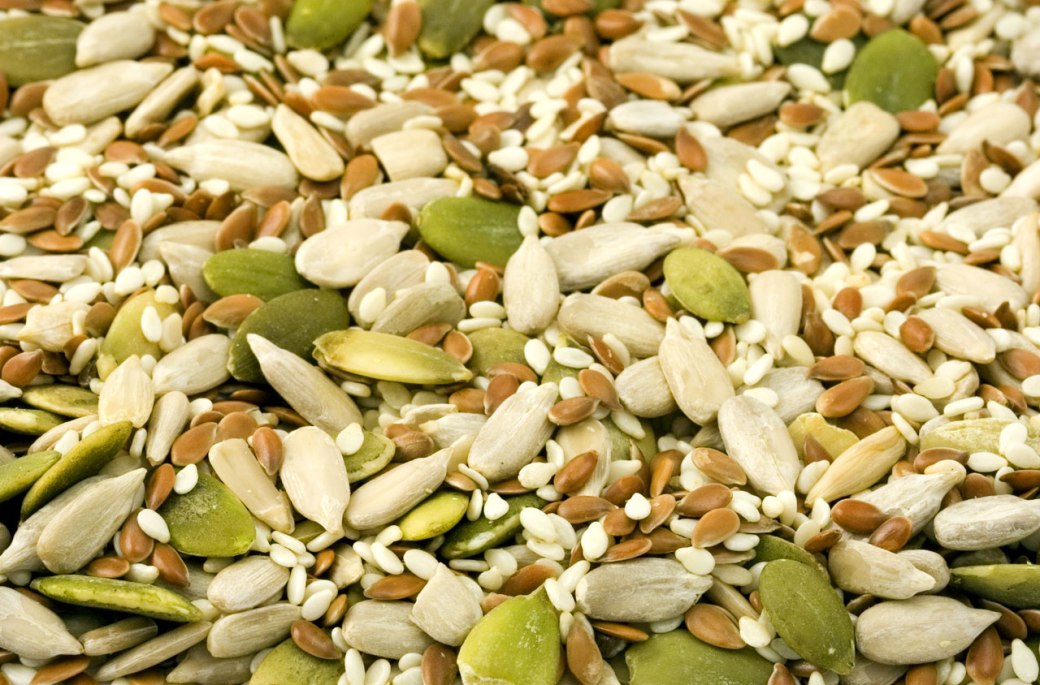
Food sources include:- pumpkin seeds, boiled spinach, dark chocolate (70-85% woo hoo!) almonds (of course!) cashews, avocados, peanut butter.
Also, foods that are high in fibre are generally high in magnesium like: whole grains, peas, beans, lentils, chickpeas and broccoli.
Sources
thesleepdoctor.com, medicalnewstoday.com, healthline.com, webmd.com
 Jasperden Health